


Berber carpets History and types
Berber Carpets History and Types
The fascinating story of Berber carpets history and types dates back several millennia. The hand-spun cloth created by Berber populations was traditionally named after the individual tribe, and natural fibers were used to craft cloaks, rugs, and other fabrics. These carpets reflect the rich cultural heritage and artistry of Berber communities.
Traditional and Modern Carpets
Modern industrialized Berber carpets feature a loop pile construction that mimics the distinct knot of traditionally woven Berber carpets. They often contain small flecks of dark color on lighter backgrounds, resembling natural, undyed versions of traditional carpets. Modern carpets are typically plain in design, relatively affordable, and highly durable, making them popular in offices and high-traffic areas.
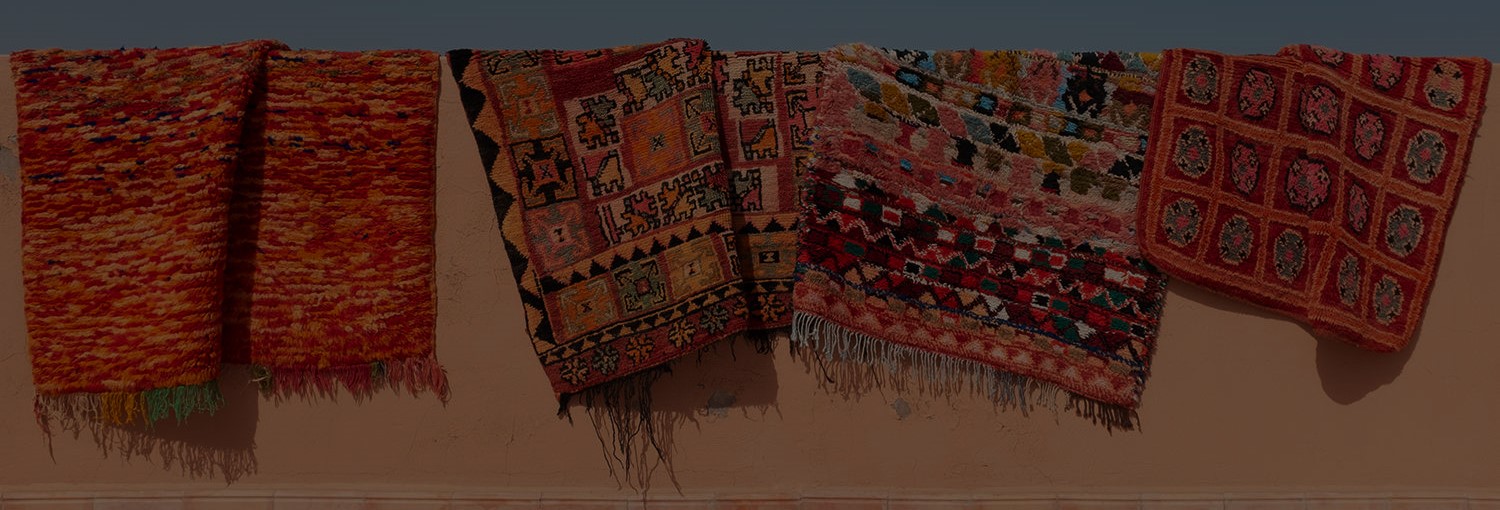
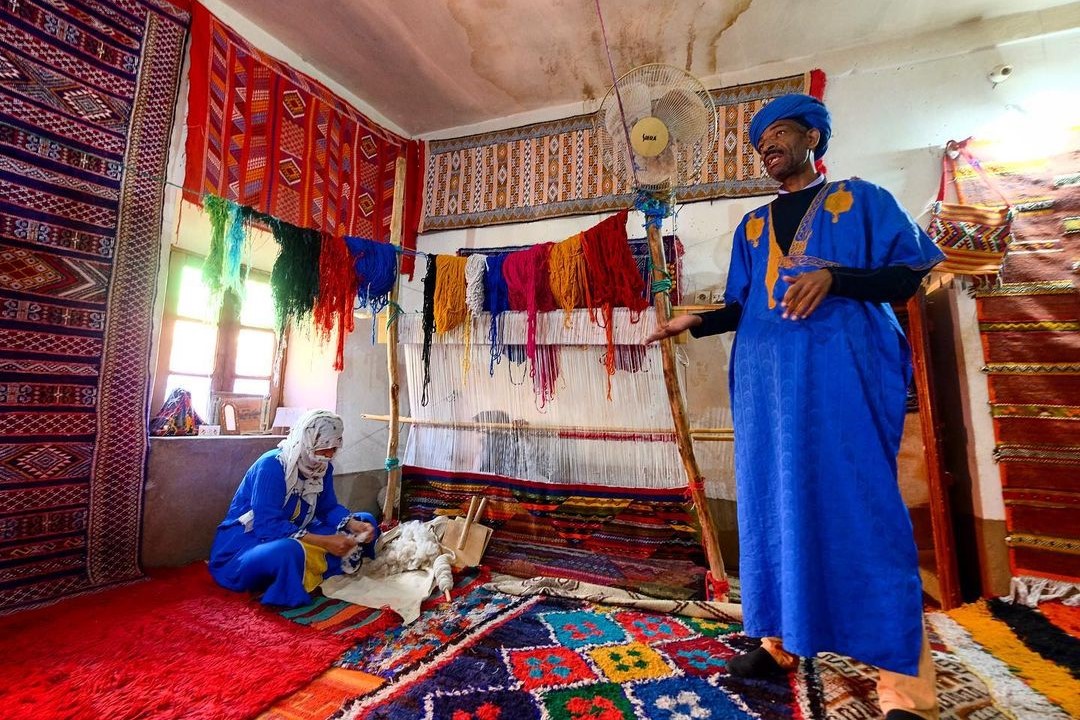
Handmade Berber carpets, often produced in rural areas, are still a thriving craft. Many families rely on weaving carpets manually to earn their primary income, selling them to local markets, merchants, and tourists. These traditional carpets differ from mass-produced versions in that they employ cultural designs and are typically made from natural materials.
When studying Berber carpets history and types, it’s important to note that Tunisian Berber rugs, known as “Mergoum,” strictly preserve ancestral weaving methods. Only wool is permitted, and each piece is sealed with a red wax mark from Tunisian handicraft authorities, guaranteeing authenticity. In other countries, synthetic materials like Olefin or Nylon are more common, often blended with wool to create affordable alternatives.
Care and Durability
Berber carpets are highly durable and stain-resistant, making them ideal for offices, schools, and other high-traffic environments. Proper care is essential: Moroccan Olefin Berber carpets should be cleaned using low-moisture or dry cleaning processes. Traditional steam cleaning with high-alkaline detergents can cause yellowing or browning, sometimes permanently. Professional cleaning every 6–12 months helps maintain both the appearance and longevity of the carpet.
Understanding Berber carpets history and types not only preserves their cultural significance but also ensures that these beautiful, functional textiles remain in excellent condition for generations.