

Morocco Across Dynasties – A Melting Pot of Cultures and Civilizations
Every nation is shaped by its history—events, conquests, and legacies that define its identity. The history of Morocco across dynasties is especially rich, characterized by centuries of diverse cultural influences and power transitions. With a legacy of powerful dynasties that ruled over centuries, Morocco stands as a shining example of multicultural heritage, diversity, and architectural grandeur. The country’s dynastic evolution has left behind a trail of historical wonders, many of which are now recognized by UNESCO as World Heritage sites.
From the Idrisids to the reigning Alawite dynasty, the history of Morocco across dynasties tells a story of religious depth, artistic excellence, and enduring unity. Explore Morocco’s imperial cities and desert landscapes on this 9-day tour from Marrakech to Fes via Merzouga.
The Idrisid Dynasty (789–978)
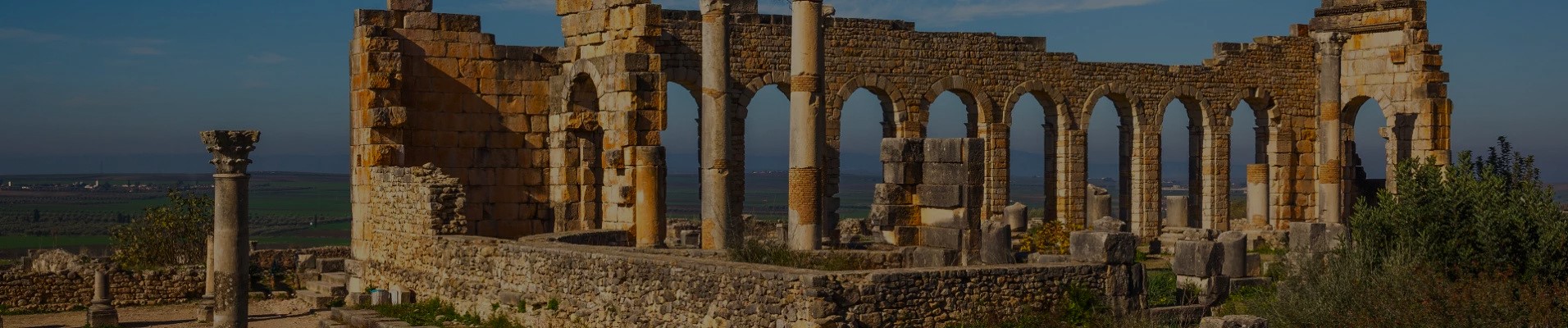
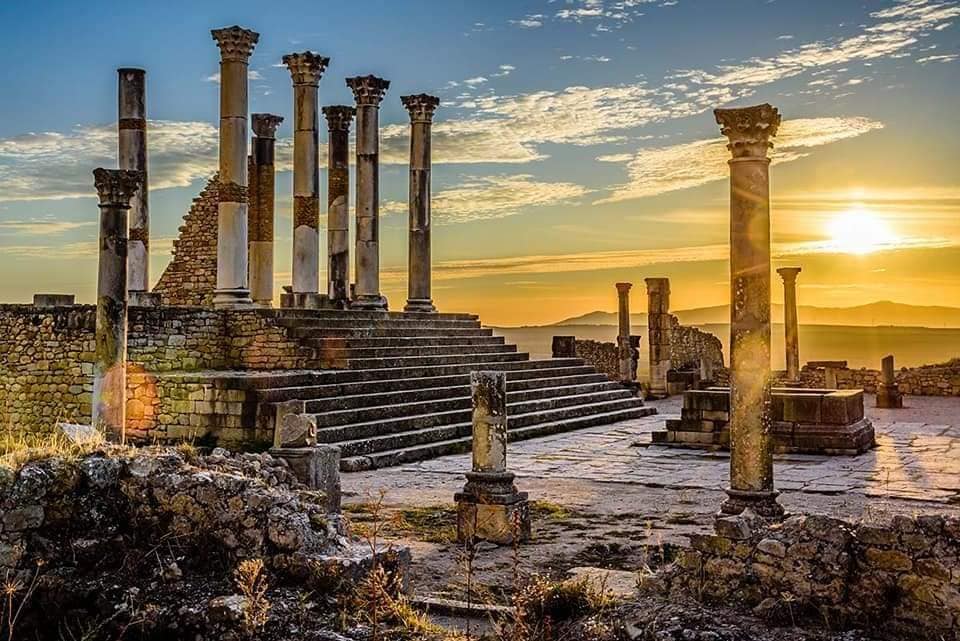
Founded by Idris I, the Idrisid dynasty marked the beginning of Morocco’s royal history. The dynasty made Volubilis its first capital before Fez rose as the new political and religious center under Idris II. Fez became a hub of Islamic scholarship and architecture, notably the Al-Qarawiyyin Mosque—still standing as one of the world’s oldest universities.
The Almoravid Dynasty (1040–1147)
The Almoravids succeeded the Idrisids and founded the city of Marrakech in 1062. This dynasty played a vital role in shaping Morocco’s urban and religious identity. Marrakech became the empire’s capital and a vibrant center of trade, learning, and Islamic architecture. The Koutoubia Mosque, begun during this period, remains an iconic landmark.
The Almohad Dynasty (1121–1269)
Under the religious leadership of Ibn Tumart, the Almohads overthrew the Almoravids, promoting strict monotheism. They fortified cities and advanced architecture, evident in monuments like the restored Koutoubia Mosque and the iconic Giralda Tower in Seville, which was inspired by Almohad design. Their reign was powerful yet short-lived, ending after defeat by Christian forces in 1212.
The Marinid Dynasty (1244–1465)
The Berber Marinids established Fez as their capital and constructed numerous madrasas, mosques, and religious institutions. Their reign brought advancements in education and architecture, including the beautiful Chellah Necropolis in Rabat. However, their empire weakened following Portuguese invasions along the northern coasts.
The Saadian Dynasty (1549–1659)
This era marked a cultural and military revival. The Saadians drove out the Portuguese and ruled during a golden age of wealth, art, and architecture. They expanded trade, especially with Sudan, and funded great works like the Saadian Tombs, El Badi Palace, and the Ben Youssef Madrasa. Marrakech regained its status as a capital under their rule.
The Alawite Dynasty (1666–Present)
The current ruling dynasty, the Alawites, emerged from Tafilalet and have preserved Moroccan unity for centuries. Under Sultan Moulay Ismail, the capital moved to Meknes before Rabat became the permanent capital in 1912. The dynasty continues to modernize the kingdom while maintaining religious and cultural traditions. King Mohammed VI, the 23rd monarch, is the current ruler.
Conclusion
From spiritual roots to architectural marvels, Morocco’s dynasties have sculpted a unique and diverse heritage. Each period contributed to the cultural wealth visible in Morocco today—a country where the past and present harmoniously coexist.