


Fes City Travel Guide: History, Attractions & Must-See Sights in Morocco
Fes City is Morocco’s historic, cultural, and spiritual capital. With over 13,000 historic buildings, 11 madrasas, 320 mosques, 270 traditional hotels (riads), and more than 200 hammams, it’s no surprise that Fes is considered one of the world’s most ancient and vibrant cities.
Chouara Tannery – Fes’s Famous Leather Dyeing Tradition
The Chouara Tannery, dating back to the 11th century, is one of the most iconic landmarks in Fes Medina. Despite the strong smell (locals offer mint leaves to help mask it), the tannery is a fascinating experience. Artisans use natural dyes:
- Blue from indigo
- Red from paprika
- Yellow from saffron or turmeric and mimosa
From surrounding terraces, visitors can observe the tanning process and browse leather goods such as jackets, slippers, bags, and belts.
Madrasa Bou Inania – Masterpiece of Marinid Architecture
Located at the entrance of Fes el-Bali (the Old Medina), Madrasa Bou Inania is one of the few religious buildings in Morocco open to non-Muslim visitors. Founded between 1351–1356 by Sultan Abu Inan Faris, it features a rare minaret, intricate zellij tilework, and carved cedar wood. It was restored in the 20th century by Sultan Moulay Slimane.
Sunset at the Merenid Tombs – Views Over the Old City
Perched on a hill overlooking the city, the Merenid Tombs date back to the 13th–15th centuries. These remnants of the Marinid dynasty offer panoramic views over Fes City, especially at sunset. A favorite for photographers and history lovers alike.
Wander Through the Medina (Fes el-Bali)
The old city of Fes el-Bali is a UNESCO World Heritage Site and one of the best-preserved medieval Islamic cities in the world. Wander through its labyrinthine alleys, discover artisan workshops, souks, historic mosques, and riads that capture the soul of Moroccan life.
Dar el Makhzen – The Royal Palace of Fes City
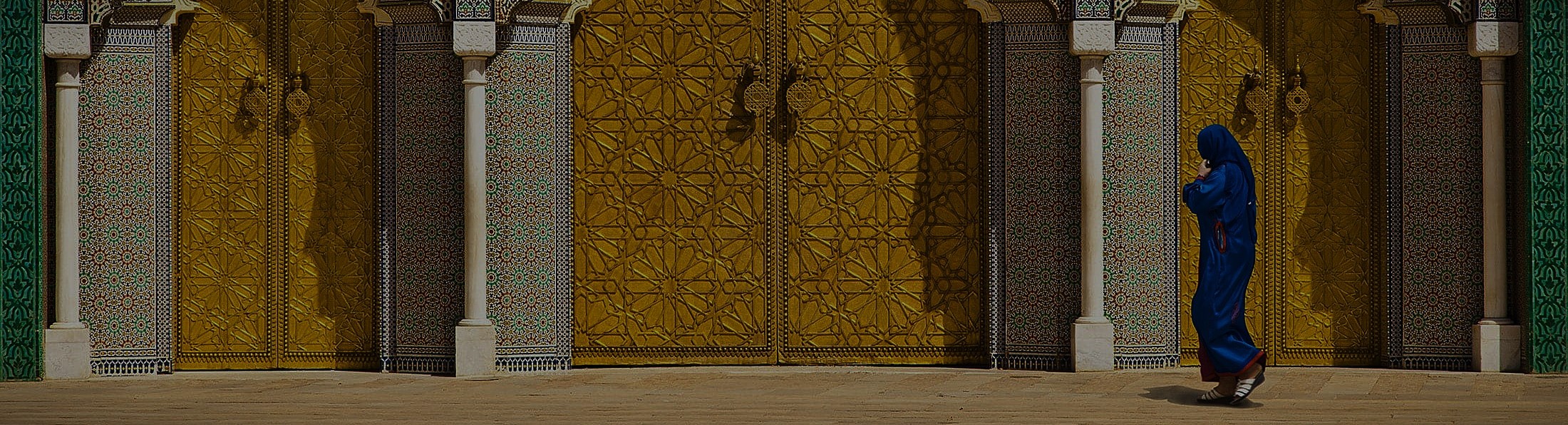
Also known as the Royal Palace of Fes, Dar el Makhzen was built in the 17th century by the Alaouite dynasty. Spanning over 80 hectares, it includes gardens, mosques, and an ancient madrasa. Although it’s closed to the public, the ornate golden gates adorned with zellige tilework and carved cedar wood are a popular photo spot. It serves as a royal residence when the King is in Fes.
Al Quaraouiyine Mosque – The World’s Oldest University
Founded in 859 AD by Fatima al-Fihri, the Al Quaraouiyine Mosque is one of the oldest existing universities in the world. Though often referred to as a mosque, it also housed a madrasa and today forms part of Morocco’s modern university system. The architecture is a testament to centuries of Islamic learning and design.
Al-Attarine Madrasa – Intricate Beauty Near the Spice Market
Built in the early 14th century by Marinid Sultan Uthman II Abu Said, the Al-Attarine Madrasa is named after the nearby spice and perfume market (Souk al-Attarine). It’s one of the most exquisite examples of Islamic architecture, with detailed stucco, cedarwood, and geometric tile patterns.
Dar Batha Museum – Art & History in Fes
The Dar Batha Museum, once a royal palace built by Sultan Moulay Hassan in the late 19th century, now houses a rich collection of Arabo-Andalusian art. Located in the medina, it features pottery, woodwork, textiles, and historic manuscripts, offering insight into Morocco’s artistic heritage.
Place el-Seffarine – Where Metal Comes to Life
Located near the Qarawiyyin Mosque, Place el-Seffarine is famous for its metalworking artisans. Watch craftsmen shape brass and copper into pots, trays, and decorative pieces. This square is one of the liveliest places to experience traditional Moroccan craftsmanship in action.