

Moroccan Cities History: Explore Essaouira’s Past & Present
During the holy month of Ramadan, explore the fascinating Moroccan cities history through the series “Moroccan Cities between the Past and the Present.” This post focuses on Essaouira, one of Morocco’s most historic and internationally renowned cities, celebrated for its rich heritage, coastal charm, and vibrant culture.
Essaouira: A City Shaped by History
Essaouira, also known as the “City of the Winds,” is a must-visit destination for those interested in Moroccan cities history. Surfers from around the world flock to its beaches, while travelers come to experience its rich cultural heritage. The city’s history stretches back thousands of years, reflecting a blend of Phoenician, Portuguese, and Alaouite influences.
The Origins of Essaouira
Phoenician Beginnings
Historical records indicate that Essaouira originated as a Phoenician settlement, serving as a docking station for trading ships. This early influence makes it one of the most important sites in the western Mediterranean for understanding ancient Moroccan cities.
Portuguese Influence and Mogador
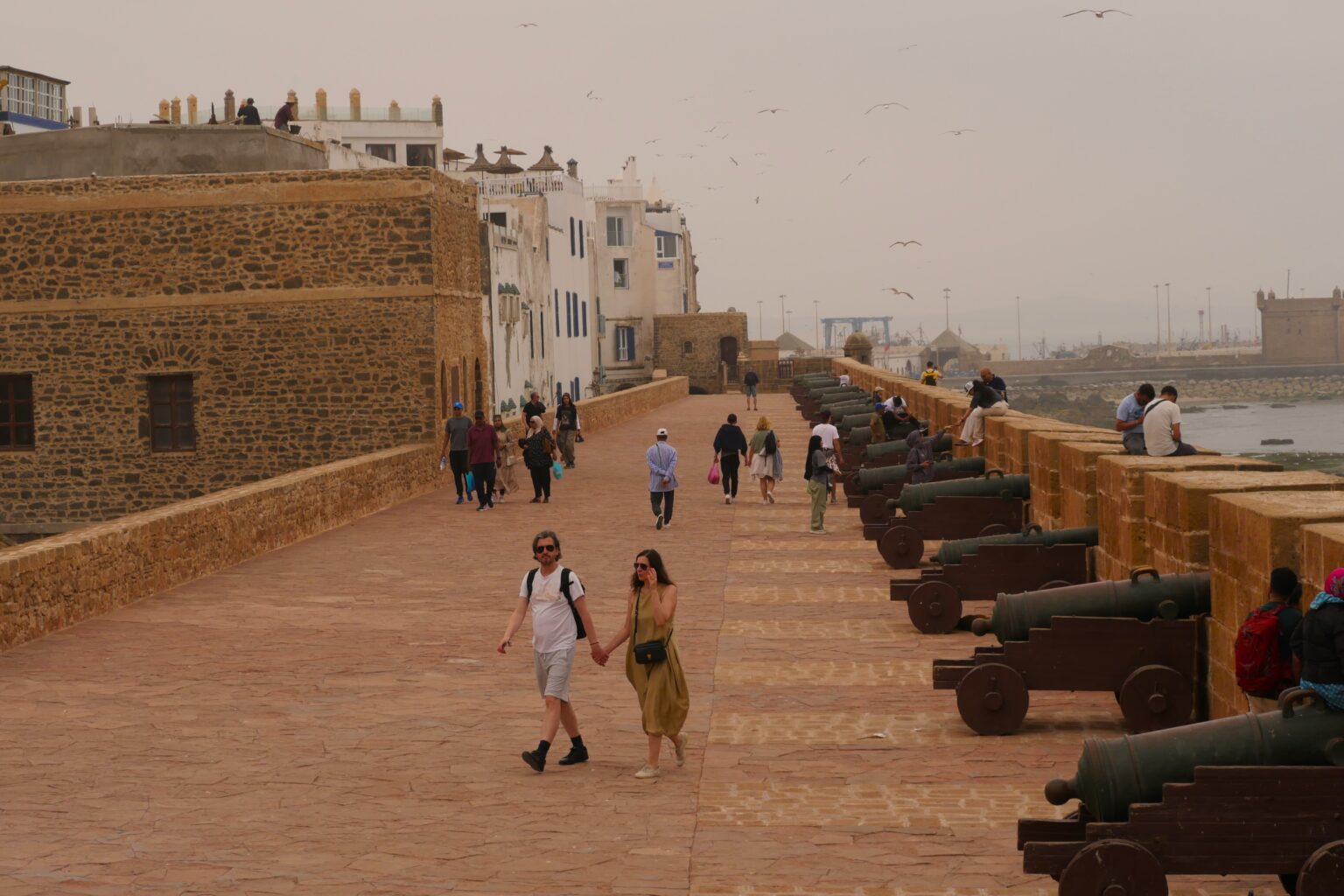
During the 16th century, the Portuguese established a fortress and called the city “Mogador.” King Manuel I of Portugal fortified it in 1506. The name “Mogador” likely stems from the Phoenician “Mikdul,” meaning “small fortress,” or from the Portuguese meaning “owner of the wall.”
Alaouite Era and Modern Essaouira
The city’s modern layout was developed in 1765 by Alaouite Sultan Muhammad III bin Abdullah. Under his rule, Essaouira became a thriving port city and a prominent center of trade, cementing its role in Moroccan cities history.
Essaouira Today: Tourism and Economy
Beaches and Surfing in Essaouira
Known for its strong winds, Essaouira attracts surfing enthusiasts and beach lovers, making it a key player in Morocco’s coastal tourism.
Gnawi Festival and Cultural Events
The city hosts the famous Gnawi World Music Festival, which draws visitors from around the globe, highlighting Essaouira’s cultural and musical heritage.
Fishing and Local Economy
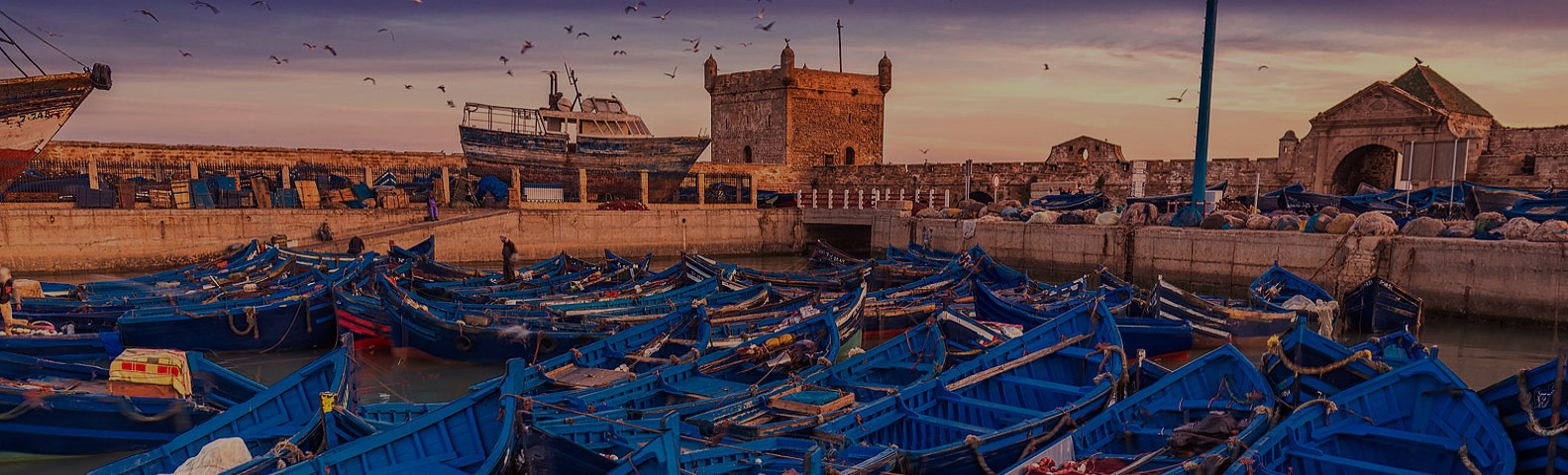
Fishing is a vital part of the city’s economy, with many residents engaged in marine trade. Local companies have flourished thanks to the abundance of fish and the city’s port infrastructure.
Historical Landmarks to Visit in Essaouira
Jewish Mallah Quarter
The Jewish Mallah Quarter, established by Sultan Ahmed Al-Mansur Al-Dhahabi in the late 16th century, revitalized trade and culture in the city. Learn more about Essaouira’s Mellah.
Mogador Island
A small island near the city, Mogador Island offers insight into the Phoenician era and early maritime history.
Moulay El Hassan Square
This iconic square provides stunning views of the Atlantic Ocean, the port, and the city’s beaches, making it a popular spot for both tourists and locals.
Conclusion: Why Essaouira Matters in Moroccan Cities History
Visiting Essaouira is like walking through a living museum. Its historical fortresses, cultural festivals, and economic legacy highlight the depth of Moroccan cities history. From ancient Phoenician ports to modern tourism hubs, Essaouira perfectly illustrates how Morocco’s cities balance their past with present vibrancy. For more travel ideas, check out our Moroccan day trips from Marrakech.