



Moroccan Cuisine: Traditional Dishes & Cooking Secrets
Moroccan cuisine is one of the most diverse and celebrated cuisines globally, with chefs who have influenced Arab culinary traditions for centuries. Moroccan cuisine ranked first in the Arab world and Africa, and second worldwide after France in 2012. Its richness comes from Morocco’s long history of cultural exchange, blending Amazigh, Arab, Maghreb, Middle Eastern, and African culinary influences.
Characteristics of Traditional Moroccan Cuisine
One of the main features of Moroccan cuisine is the combination of fruits with meat, such as quince with lamb or apricots with chicken. Moroccan chefs also make extensive use of spices, including cinnamon, cumin, turmeric, ginger, black pepper, red pepper, anise seeds, sesame, coriander, parsley, thyme, celery, saffron, and mint, creating bold and aromatic flavors.
Another hallmark is the diversity of ingredients. Morocco produces Mediterranean and tropical fruits, fresh vegetables, sheep, poultry, cattle, and fish. This abundance allows Moroccan food to be varied, healthy, and colorful. Learn more about traditional Moroccan dishes.
Traditional Moroccan Meal Structure
Traditional Moroccan meals follow a structured sequence. They often start with a selection of hot and cold salads, followed by tagines. Bread is served at every meal, accompanied by lamb, chicken, or fish. Couscous with vegetables and meat is a staple, and mint tea is always enjoyed at the end of a meal to conclude the culinary experience. For tips on serving Moroccan meals, check out our guide on Moroccan dining traditions.
Popular Moroccan Dishes
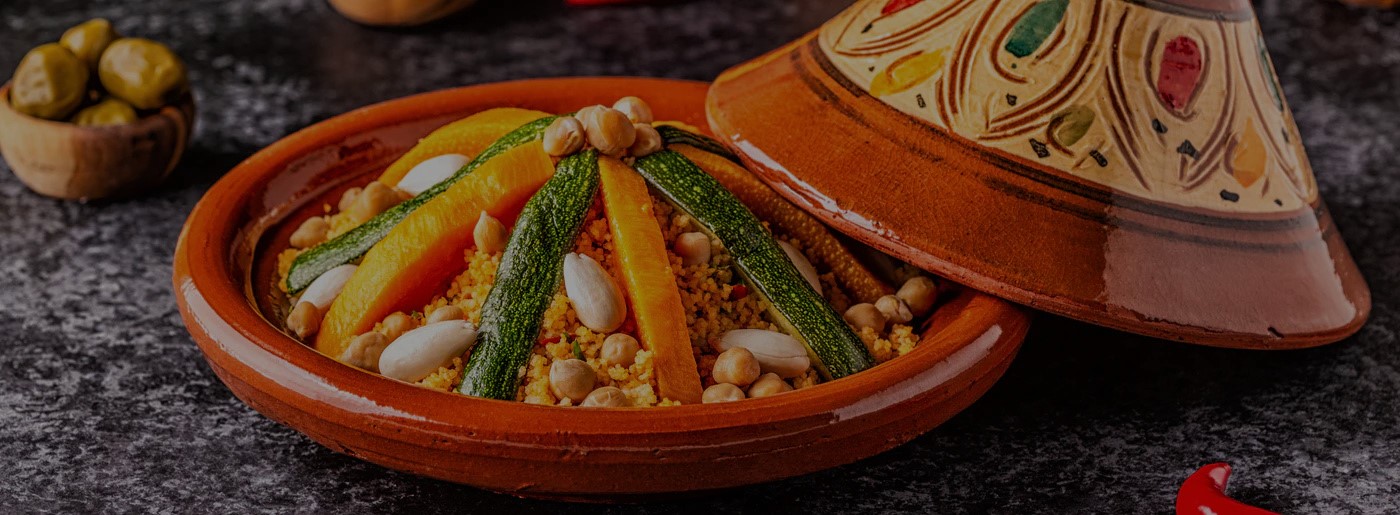
- Couscous: Made from wheat or corn flour, couscous is steamed and served with vegetables, chicken, lamb, or fish. There are numerous variations, including vegetable couscous, fish couscous, dried meat couscous, and couscous with sausages.
- Tagine: A slow-cooked stew combining meat, vegetables, and spices, tagines are iconic in Moroccan cuisine for their depth of flavor.
- Tanjia and Mrouzia: Traditional lamb dishes with rich sauces, often prepared for special occasions.
- Rfissa: A festive dish combining chicken, lentils, and shredded bread, served with a fragrant sauce.
Conclusion
Moroccan food is more than just meals; it is a cultural experience. Its mix of ingredients, spices, and cooking techniques makes these traditional Moroccan dishes some of the most distinctive and celebrated in the world. Whether you are tasting a spicy tagine, steaming couscous, or sipping mint tea, Moroccan cuisine offers an unforgettable journey for the senses.



Sorry, the comment form is closed at this time.
Pingback: Rebirth of Dar Al-Dabbagh Chaouara in Fez
June 14, 2025 at 6:32 pm